Smart Storage for Easier Cleaning: Clear Counters Fast
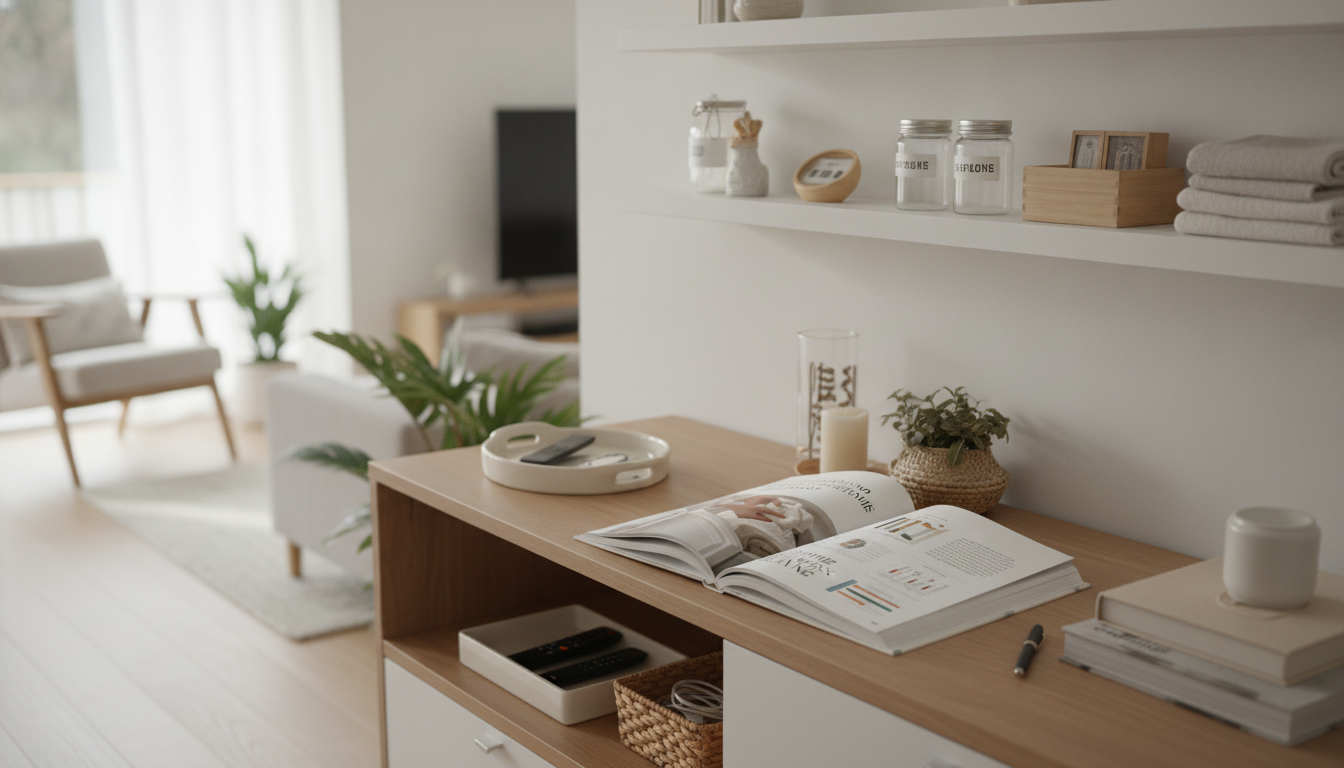
Organize for Effortless Cleaning: Smart Storage That Keeps Surfaces Clear
A home that’s easy to clean starts with storage that reduces decisions, prevents pileups, and keeps the right tools within reach. The goal isn’t showroom perfection—it’s fewer objects on floors and counters so daily wipe-downs take seconds, vacuuming doesn’t require moving obstacles, and deep cleaning becomes a faster, calmer routine.
The “cleaning-friendly” organizing principles
- Prioritize clear surfaces: aim for mostly empty counters, nightstands, and entry tables so wiping takes seconds, not minutes.
- Keep items off the floor: use hooks, bins, and shelves so vacuuming and mopping don’t require moving obstacles first.
- Store by task, not by category: group what’s used together (for example, “morning routine,” “mail handling,” or “pet care”) to prevent scatter.
- Create a home for the “in-between” items: add a landing zone for things that are neither trash nor put-away (returns, batteries, cords).
- Use containers to limit clutter: the container is the boundary—when it’s full, something must be removed or relocated.
Set up zones that cut daily mess (entry, kitchen, living areas)
When clutter shows up in the same places every day, storage should meet it there. Think in “zones” that absorb small mess before it becomes a surface-covering pile.
- Entry zone: add a drop spot for keys/wallet, a shoe solution that fits your household, and a dedicated hook per frequent item (bag, jacket, leash).
- Kitchen zone: keep counters to a few essentials; move infrequent appliances to cabinets to make wipe-downs quick.
- Living area zone: use one “reset bin” per room for fast pickup; empty it during a scheduled 10–15 minute reset.
- Paper zone: route mail immediately to one of three actions—recycle, file, or respond—so paper doesn’t migrate across surfaces.
- Cable/remote control control: assign one container or drawer; label simple categories like “charging,” “TV,” and “spares.”
Fast zones and what they prevent
| Zone | Storage setup | Cleaning win |
|---|---|---|
| Entry landing spot | Small tray + 2–4 hooks | Stops clutter piles that collect dust and block wiping |
| Kitchen counter limit | One basket for daily items | Counters clear for quick sanitizing and fewer crumbs |
| Living room reset bin | One bin + weekly empty routine | Pickup in minutes; floors stay vacuum-ready |
| Paper station | 3-slot sorter (recycle/file/respond) | Prevents paper stacks and lost documents |
| Cable/remote drawer | One labeled organizer | Less surface clutter; easier dusting |
Quick product picks that support these zones
- Calvin Klein Men’s Leather Wallet — a streamlined wallet helps keep the entry “drop spot” simple (fewer loose items to migrate onto counters).
- 2pcs Set Reusable Baby Blanket Storage Bag — a practical way to contain bulky linens or off-season textiles so they don’t end up in visible piles.
Smart storage rules that keep cleaning supplies accessible (without visual clutter)
The easier it is to grab supplies, the more likely quick cleanups actually happen. A hybrid setup prevents that “I’ll do it later” delay.
- Put supplies where the mess happens: bathroom cleaner in bathrooms, glass cloth near mirrors, a small dusting tool near living spaces.
- Use “grab-and-go” kits: one caddy for quick wipes; a second kit for deeper tasks to avoid rummaging.
- Choose easy-clean containers: smooth plastic bins or washable fabric options reduce dust buildup.
- Label simply and visibly: labels reduce the time items sit out during searching and sorting.
- Maintain one open “staging spot” per room: a temporary space to set items while wiping or vacuuming, then return everything after.
For guidance on safer cleaning choices and routines, the U.S. EPA Safer Choice tips and the CDC cleaning guidance are reliable references worth bookmarking.
Room-by-room arrangement: bathroom, bedroom, and laundry
Bathroom
- Keep counters to daily essentials: if you only leave out what’s used every day, sink/counter cleaning becomes one fast pass.
- Store backups vertically: use bins under the sink so bottles don’t topple and collect residue behind them.
- Add a small lidded bin: for hair tools or toiletries; fewer exposed items means less dusting and fewer drips to clean around.
Bedroom
Laundry
Closets, cabinets, and under-bed storage that doesn’t create more work
For professional organizing standards and practical approaches to keeping systems usable, the National Association of Productivity & Organizing Professionals (NAPO) is a helpful resource.
Keep it going: the 15-minute reset and a simple maintenance rhythm
Digital guide: a step-by-step plan for smarter storage and easier cleaning
If you want a structured plan you can follow without second-guessing each decision, A Guide to Organizing Your Home for Effortless Cleaning (digital guide) lays out a step-by-step approach to arranging storage so floors, counters, and high-touch areas stay clear and quick to wipe. It focuses on quick wins and high-impact zones first, making it useful for apartments, family homes, and busy schedules where time-saving matters most.
FAQ
What should be organized first to make cleaning easier right away?
Start with the entry drop zone, kitchen counters, and one living area floor path. These changes reduce daily clutter immediately and make wiping and vacuuming possible without moving piles first.
How do you keep organized spaces from getting messy again?
Use container limits, store items where they’re used, and do a short daily reset. If you use catch-all bins, pair them with a weekly empty-and-return routine so they don’t turn into permanent clutter.
Is it better to store cleaning supplies in one place or throughout the home?
A hybrid works best: keep a main stash for backups plus small task kits near bathrooms and kitchens. That placement removes friction, which makes quick cleanups far more likely to happen.
















Leave a comment