Waterfall Faucet with Digital Temp Display (Hot/Cold)
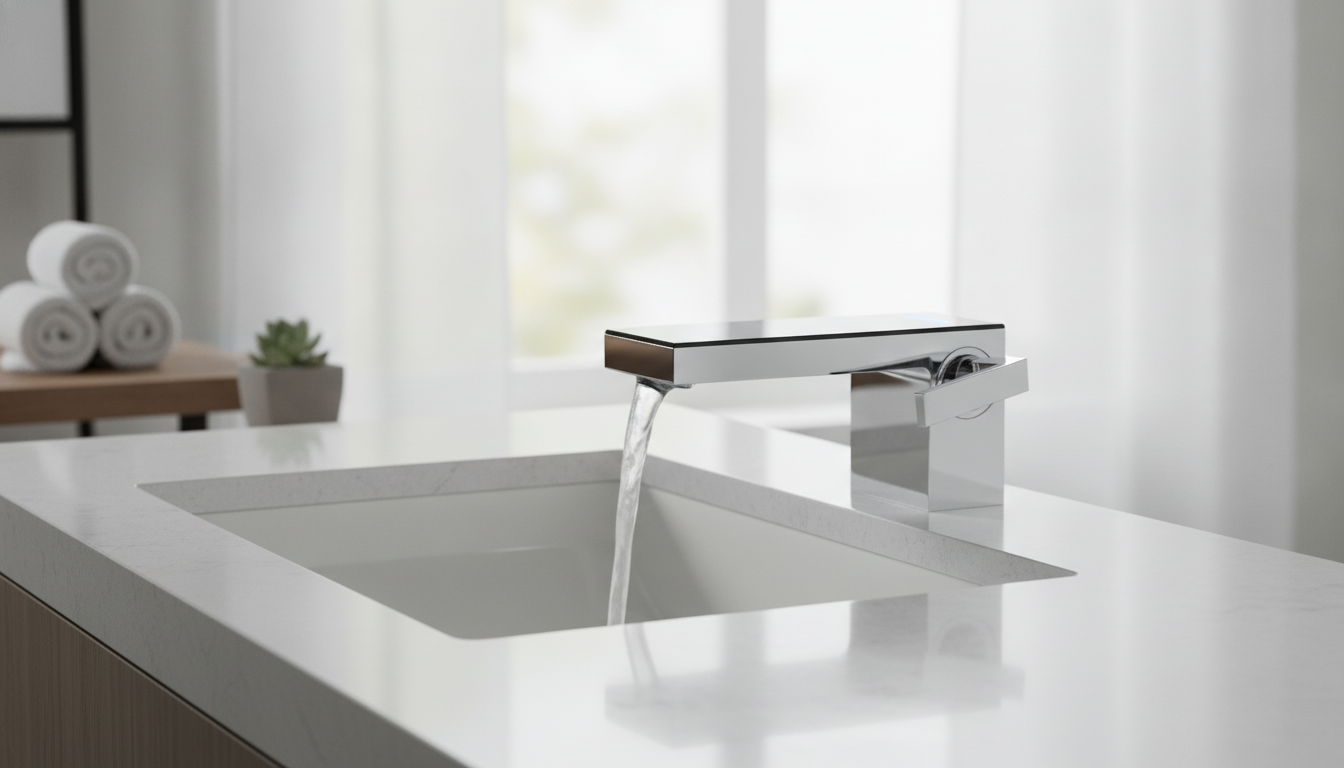
Digital Display Waterfall Bathroom Faucet – Hot & Cold Single Lever Mixer Tap
A modern bathroom faucet can do more than turn water on and off. The Digital Display Waterfall Bathroom Faucet – Hot & Cold Single Lever Mixer Tap pairs a waterfall-style spout with a digital temperature readout and a single lever for quick hot/cold mixing. Below is what those features mean in day-to-day use, what to confirm before you order, and how to keep the finish and flow looking new.
What Makes This Faucet Different
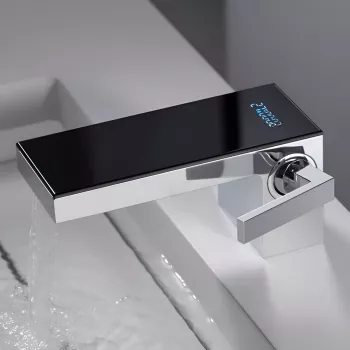
The first standout detail is the digital temperature readout. Instead of guessing whether the water is “warm enough,” the display provides a fast visual cue that’s especially handy during quick routines like handwashing or rinsing a razor.
The second is the waterfall spout. Rather than a narrow, aerated stream, it creates a wide, sheet-like flow. That changes not only the look of the water, but also the sound and sink presence—often giving a more spa-inspired feel.
Finally, the single lever mixer design keeps the countertop looking clean while making daily adjustments simple. One handle controls both flow and temperature, supporting everything from face washing to shaving to fast rinses without the extra visual clutter of separate hot and cold knobs.
Because it’s design-forward, this style often becomes a centerpiece in guest baths, powder rooms, or primary vanities where the faucet is meant to be noticed.
Daily Use Benefits
More confident temperature control
When the temperature is visible, there’s less trial-and-error. That can be useful when kids or guests are using the sink, or when mornings are busy and every step needs to be quick.
A comfortable rinsing experience
A waterfall pattern can feel softer and more spread out than a typical aerated stream, especially for rinsing hands, washing a cleanser off your face, or filling a small cup without the “needle” feeling some faucets create.
Simplified, guest-friendly operation
One lever is intuitive: lift for flow, move left/right for hot/cold. It’s easier for visitors to understand at a glance and can help reduce over-adjusting that sometimes happens with two-handle sets.
A cleaner look that complements modern vanities
With fewer controls and a more architectural profile, this faucet style pairs well with minimalist mirrors, floating vanities, and contemporary lighting. It can work with vessel or undermount sinks depending on the mounting style and spout proportions.
Better habits through a visible cue
A temperature number on display can encourage safer choices—like keeping handwashing comfortably warm instead of unnecessarily hot. For water-efficiency context and fixture guidance, the EPA WaterSense program is a helpful reference point when comparing bathroom upgrades.
Key Details to Confirm Before Ordering
Modern faucets look straightforward, but a smooth install depends on a few measurements and compatibility checks. Before you commit, confirm these practical details on your sink and vanity:
- Sink compatibility: Verify how many mounting holes your sink or countertop has (single-hole vs. multi-hole configurations).
- Spout reach and height: Measure from the mounting point to the center of the drain. A good alignment helps reduce splashing and keeps water landing where it should.
- Deck thickness limits: Confirm the countertop/vanity top thickness the faucet can accommodate for a secure fit.
- Supply connections: Check that the included (or required) hoses match local plumbing sizes and standards.
- Display power method: Confirm whether the digital screen uses a battery, a water-powered generator, or another method as specified on the product page.
- Valve/cartridge serviceability: It’s worth knowing whether replacement parts can be sourced later for long-term ownership.
Feature-to-Usefulness Snapshot
| Feature | What it helps with | What to check |
|---|---|---|
| Digital temperature display | Reduces guesswork and helps avoid overly hot water | Power method, readability, and any required maintenance |
| Waterfall spout | Creates a wide, modern flow pattern | Sink size to prevent splashing; clearance to backsplash |
| Single lever mixer | Fast adjustments for flow and temperature | Handle clearance; smoothness of movement |
| Hot & cold mixing | Supports everyday comfort and hygiene routines | Compatible supply lines and stable temperature control |
| Bathroom vanity mounting | Clean installation and stable fit | Hole size, deck thickness, and included mounting hardware |
Installation Notes for a Smooth Setup
Most bathroom faucet installs follow a familiar pattern, but a few extra steps can prevent future drips and protect the internal components:
Care, Cleaning, and Long-Term Performance
For household safety context related to hot water and burn prevention, consult authoritative guidance such as the U.S. Consumer Product Safety Commission (CPSC) and the Centers for Disease Control and Prevention (CDC).
Who This Style Fits Best
Helpful Add-On for a Cleaner, Drier Bathroom Floor
If your vanity area tends to stay damp—especially after handwashing or cleaning—floor drainage and airflow can make daily upkeep easier. Consider pairing your refresh with 55PCS Interlocking Drainage Floor Tiles to help water move away from the surface and reduce the “always wet” feeling near sinks and entry points.
FAQ
How does the digital temperature display work on a bathroom faucet?
The display shows an approximate water temperature so you can confirm warmth at a glance. Depending on the model, the screen may be powered by a battery or by a water-powered mechanism, so it’s important to verify the power method and access details before installation.
Will a waterfall faucet splash more than a standard faucet?
It can, but splashing mostly depends on spout reach/height, sink depth and shape, and how the sheet-like flow hits the basin. Aligning the water path closer to the drain and using a basin that’s wide and deep enough usually reduces splash.
What’s the safest temperature setting for hot water at the sink?
The safest setting depends on household needs and local guidance, but many safety organizations recommend limiting hot water to reduce scald risk. If you’re unsure, consider reviewing scald-prevention recommendations and adjusting your water heater or mixing controls accordingly.











Leave a comment