Rectangle Wall Mirror Tips: Size, Placement & Hanging
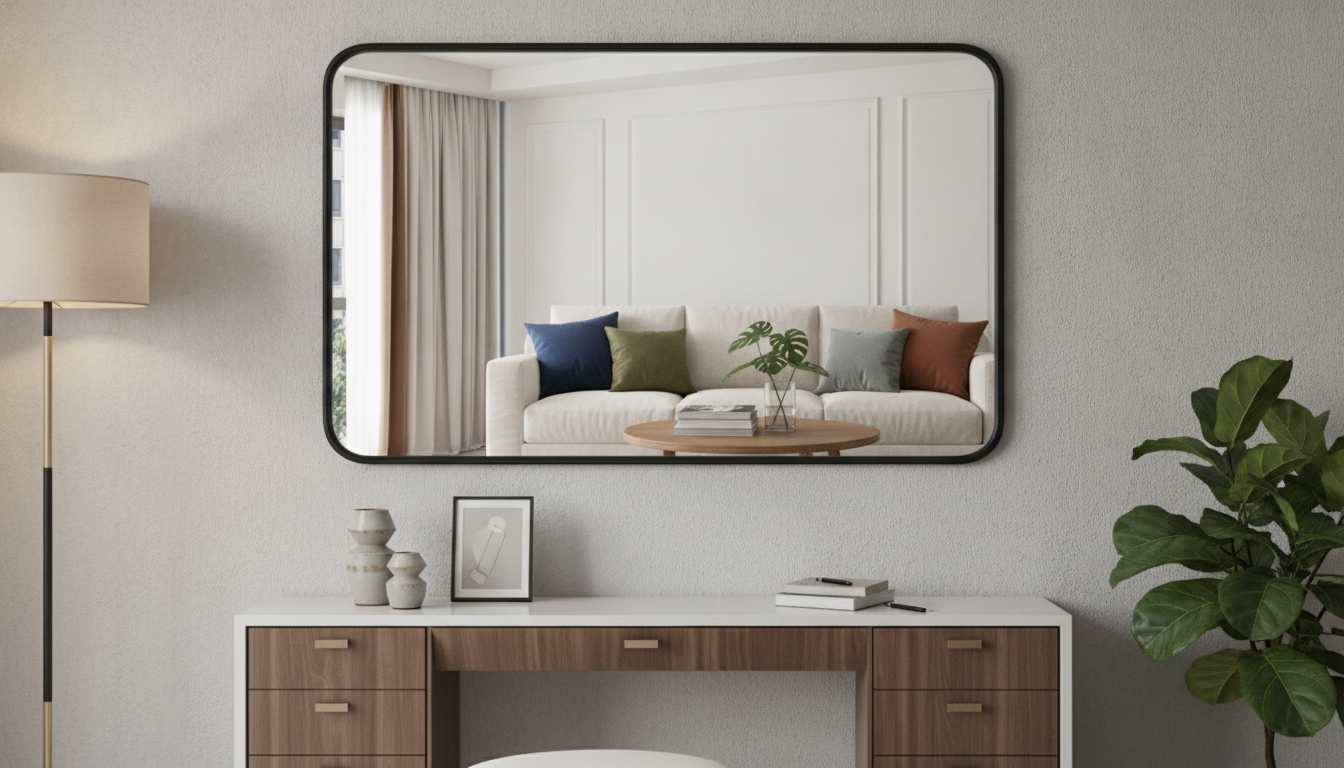
Large Rectangle Wall Mirror: Clean Lines, Bigger Light, Better Balance
A rectangle wall mirror is one of the simplest ways to make a room feel brighter, taller, and more put-together. Its straight edges suit modern, classic, and transitional spaces, and the shape makes it easy to align with furniture like consoles, vanities, and dressers. Below are practical sizing, placement, and installation tips—plus an option to bring the look home.
Why a rectangle mirror works in almost any room
Straight lines create instant structure. A rectangle mirror’s clean edges add visual order, which helps a wall feel “finished”—especially above flat-topped pieces like console tables, dressers, and bathroom vanities.
Because the shape is naturally balanced, it also helps solve tricky layouts. A wide rectangle can visually expand a narrow wall, calm down an off-center light fixture, or counterweight an asymmetrical vignette without needing extra decor.
Mirrors are also a lighting upgrade without rewiring: reflecting windows and nearby fixtures increases perceived brightness and makes darker corners feel more open. And since a rectangle can be hung vertically or horizontally, it adapts to ceiling height, wall width, and the look you want to emphasize.
Choosing the right size for the wall and the furniture below
Proportion is what makes a mirror look intentional rather than accidental. Over a console, dresser, or vanity, a reliable guideline is to choose a mirror width around 60–80% of the furniture width. That keeps the arrangement grounded and leaves a calm margin on each side.
For a statement wall, sizing up can make the mirror read like functional wall art. Just leave “breathing room” at the edges of the wall so it still feels framed by architecture rather than crammed into it.
In small spaces, a taller rectangle is a smart cheat: it pulls the eye upward and can make ceilings feel higher. For entryways, consider viewing distance—if the hallway is shallow, a slightly larger mirror helps you get a quick outfit check without stepping back too far.
Quick placement guide by room
| Room | Best orientation | Where to place it | What to reflect (on purpose) |
|---|---|---|---|
| Entryway | Vertical or horizontal | Above a console or on the wall near the door | A nearby lamp, artwork, or open space (avoid clutter zones) |
| Bathroom | Horizontal (most vanities) | Centered over the sink/vanity | Light fixture glow; keep reflection free of towel piles |
| Bedroom | Vertical | Near the closet or beside a dresser | Natural light from a window; avoid reflecting busy storage |
| Living room | Horizontal | Above a sofa or fireplace (if heat-safe distance) | A window view or a focal art piece |
Placement details that make it look intentional
Great placement is more than “center it on the wall.” Aim to center the mirror on the visual field: align it with the furniture beneath, match it to the midpoint between adjacent sconces, or echo strong architectural lines like window trim and door casings.
Hanging height matters, too. A common approach is to place the center of the mirror around eye level for the main user group. In a room with tall ceilings, nudging it slightly higher can feel more elevated, but keep it connected to what’s below so the mirror doesn’t float.
Be picky about what the mirror reflects. Mirrors double whatever is in front of them, so orient the glass toward calmer, more attractive views—natural light, a tidy vignette, or negative space—rather than open shelving chaos or a pile of shoes.
Finally, layer lighting for a warmer reflection. A nearby table lamp, flanking sconces, or a pendant can make the reflected scene feel dimensional instead of flat.
Installation and wall safety essentials
Leveling is the difference between “clean-lined” and “slightly off.” Measure from the furniture top (or from the ceiling if that’s your reference) and confirm both sides match before final tightening. For additional safety guidance around anchoring in the home, review the U.S. Consumer Product Safety Commission’s recommendations: CPSC – Anchor It!.
In bathrooms and other humid areas, choose moisture-resistant mounting hardware and keep ventilation consistent to reduce corrosion and fogging. The EPA’s overview of airflow basics is a helpful reference for moisture control: EPA – Indoor Air Quality (ventilation basics).
Frame and finish: matching the mirror to the room
Care and upkeep for a clear reflection
Pick: Large Rectangle Wall Mirror
Large Rectangle Wall Mirror is available while supplies last, and its clean-lined shape suits modern, classic, and transitional rooms.
At-a-glance
| Item | Price | Availability |
|---|---|---|
| Large Rectangle Wall Mirror | 32.51 USD | In stock |
Two small add-ons that help the mirror look better every day
- 2pcs Set Reusable Baby Blanket Storage Bag — a simple way to corral soft goods or seasonal items so they’re out of sight (and out of the mirror’s reflection).
- Calvin Klein Men’s Leather Wallet — a compact everyday essential that helps keep console tops and catch-all trays from turning into a visual pile-up.
FAQ
Should a rectangle wall mirror be hung vertically or horizontally?
Use vertical orientation to emphasize height and create a taller feel. Use horizontal orientation to visually widen a wall or to align with wide furniture like consoles and vanities.
How wide should a mirror be over a dresser or console?
A common proportion is about 60–80% of the furniture width. Leaving margin on both sides helps the setup look balanced rather than cramped.
What’s the safest way to hang a wall mirror on drywall?
Whenever possible, anchor into studs for maximum security. If you can’t hit studs, use weight-rated drywall anchors and the correct hardware for the mirror’s hanging system, then confirm everything is level and firmly seated.











Leave a comment