Build True Resilience: Inner Strength Habits That Stick
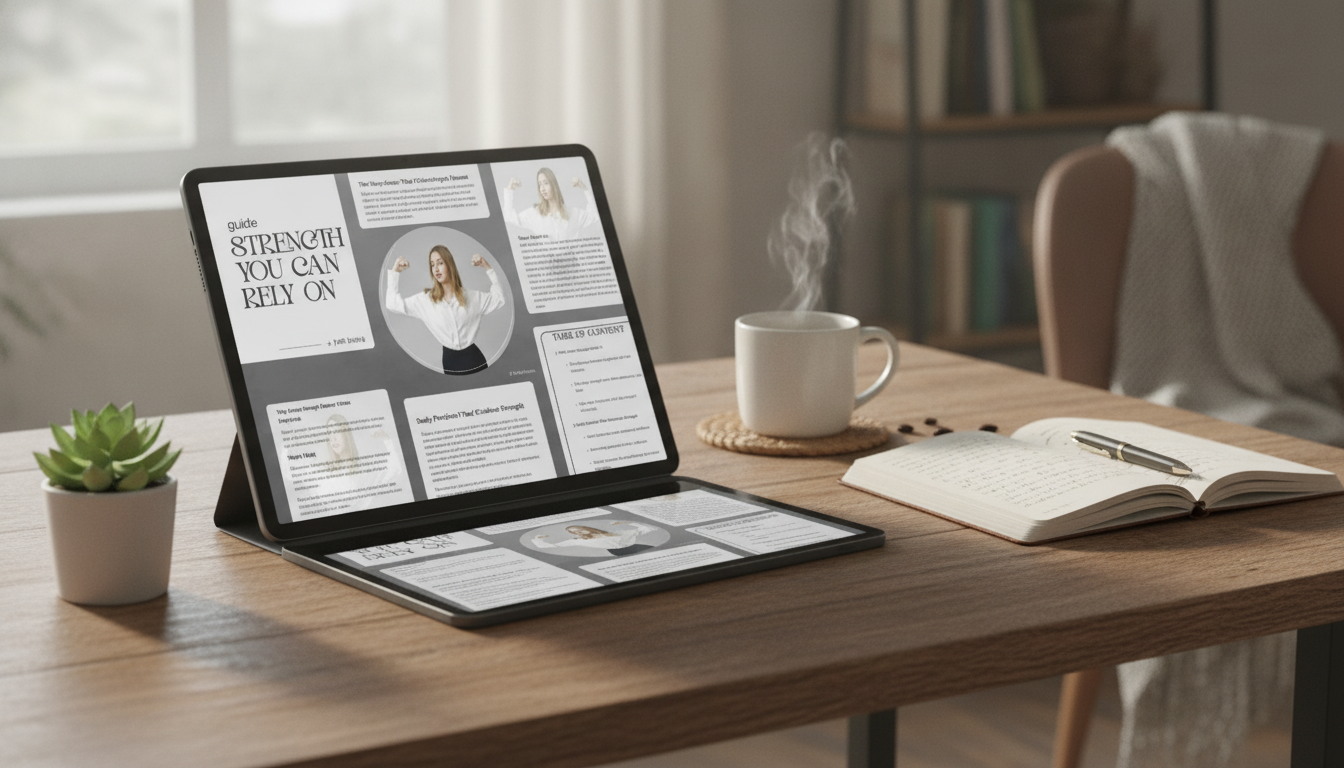
Strength You Can Rely On: Building True Resilience and Inner Strength
Inner strength isn’t about never feeling stressed or shaken—it’s the ability to recover, adapt, and keep choosing what matters even when life is hard. Resilience is built through practical skills that work with your real life: regulating your nervous system, reframing unhelpful thoughts, strengthening supportive habits, and planning for setbacks so they don’t spiral. With repetition, these tools become a steady “default mode” you can return to—even during busy, emotionally demanding seasons.
What “true resilience” looks like in everyday life
Resilience isn’t a personality trait you either have or don’t. It’s a set of learnable behaviors: flexibility when plans change, persistence when motivation dips, and recovery after stress rather than staying stuck in it.
As inner strength grows, you may notice calmer responses (less snapping or shutting down), quicker bounce-back after a hard day, clearer boundaries, and steadier motivation that doesn’t depend on being in a perfect mood. Progress often looks like “I still feel it, but I can handle it.”
Three myths commonly stall growth: that strong people don’t struggle, that positive thinking fixes everything, and that rest is weakness. In reality, resilient people feel a full range of emotions, think realistically, and treat recovery as part of performance.
A practical definition to use: resilience = coping skills + support + meaning + repeatable habits. When one pillar wobbles, the others keep you upright.
Start with the body: regulate stress before solving problems
Stress regulation comes first because a calmer nervous system improves decision-making, impulse control, and emotional clarity. When your body is in threat mode, even simple tasks can feel impossible—and every problem looks bigger.
Quick regulation tools and when to use them
| Tool | Best for | How to do it | Time |
|---|---|---|---|
| Slow exhale breathing | Racing thoughts, panic sensations | Inhale gently, exhale longer (e.g., 4 in / 6 out) | 2–5 min |
| 5-4-3-2-1 grounding | Feeling overwhelmed or detached | Name 5 things you see, 4 feel, 3 hear, 2 smell, 1 taste | 2–4 min |
| Brisk walk or stairs | Restlessness, irritability | Move at a moderate pace and notice surroundings | 5–15 min |
| Progressive muscle release | Tension headaches, tight shoulders | Tense then relax muscle groups from feet to face | 5–10 min |
To build a lower stress baseline, aim for 10–20 minutes of gentle movement most days—walking, stretching, light strength training, or easy yoga. The goal isn’t intensity; it’s signaling safety to your system.
Sleep is a resilience multiplier. A consistent wake time, dimmer light at night, and a short wind-down routine (even 10 minutes) can stabilize mood and focus. Nutrition helps too: balanced meals, hydration, and fewer spikes from excess caffeine or sugar—especially when anxiety is high.
For an easy environment win, reduce “visual noise.” Simple storage can lower daily friction and decision fatigue; the 2pcs Set Reusable Baby Blanket Storage Bag is a practical way to keep essentials contained and out of sight when clutter adds to stress.
Build mental strength: train thoughts without forcing positivity
Mental resilience starts with noticing patterns. Identify recurring thoughts that reliably increase fear, shame, or helplessness—then work with them rather than wrestling them.
Common cognitive traps include catastrophizing (“This will ruin everything”), mind-reading (“They must think I’m incompetent”), all-or-nothing thinking (“If I can’t do it perfectly, why try”), and “should” statements that pile on guilt. Naming the trap creates space between you and the thought.
Reframe with evidence: What facts support this? What facts don’t? What’s a more balanced interpretation? Balanced doesn’t mean cheerful—it means accurate and useful.
When your mind fixates on outcomes, switch to “next right step” thinking: one controllable action that moves you forward. That might be sending one email, taking a five-minute walk, or writing a two-sentence plan.
Strengthen emotional resilience: feel it, label it, move through it
Resilient habits that compound over time
Environment design makes supportive choices easier: keep water visible, shoes by the door, and a notebook on the nightstand. Even a small “launch pad” area for keys and essentials can reduce morning stress; a compact organizer like a reliable everyday wallet can help keep what matters in one place, such as the Calvin Klein Men’s Leather Wallet.
Relationships and support: inner strength grows faster with connection
Protect yourself from draining dynamics by limiting exposure, setting expectations, and using calm communication. If anxiety, depression, trauma symptoms, or daily functioning problems persist, professional support can be an important step. For reputable guidance on coping, see resources from the American Psychological Association and the National Institute of Mental Health.
A 7-day starter plan for building inner strength
Make it easier: a guided resource for practicing resilience
For a straightforward plan you can return to during stress, uncertainty, or change, explore Strength You Can Rely On (digital guide).
FAQ
How long does it take to build resilience?
Small improvements can show up within days—especially with stress regulation and consistent routines—while deeper resilience typically grows over weeks to months. Progress comes from repetition and learning to restart quickly after setbacks.
What are simple ways to build inner strength when life feels overwhelming?
Regulate first (slow exhale breathing or grounding), choose one controllable “next right step,” reduce inputs (notifications and scrolling), ask for one specific form of support, and schedule a short recovery block you’ll actually protect.
What’s the difference between resilience and being emotionally numb?
Resilience includes feeling emotions and still functioning in a values-aligned way, while numbness avoids feelings and can reduce connection and clarity. A healthier alternative is labeling emotions precisely and time-boxing processing so you can move toward action or rest.














Leave a comment