Modern Rustic Boho Decor: Effortless Style-Blending Checklist
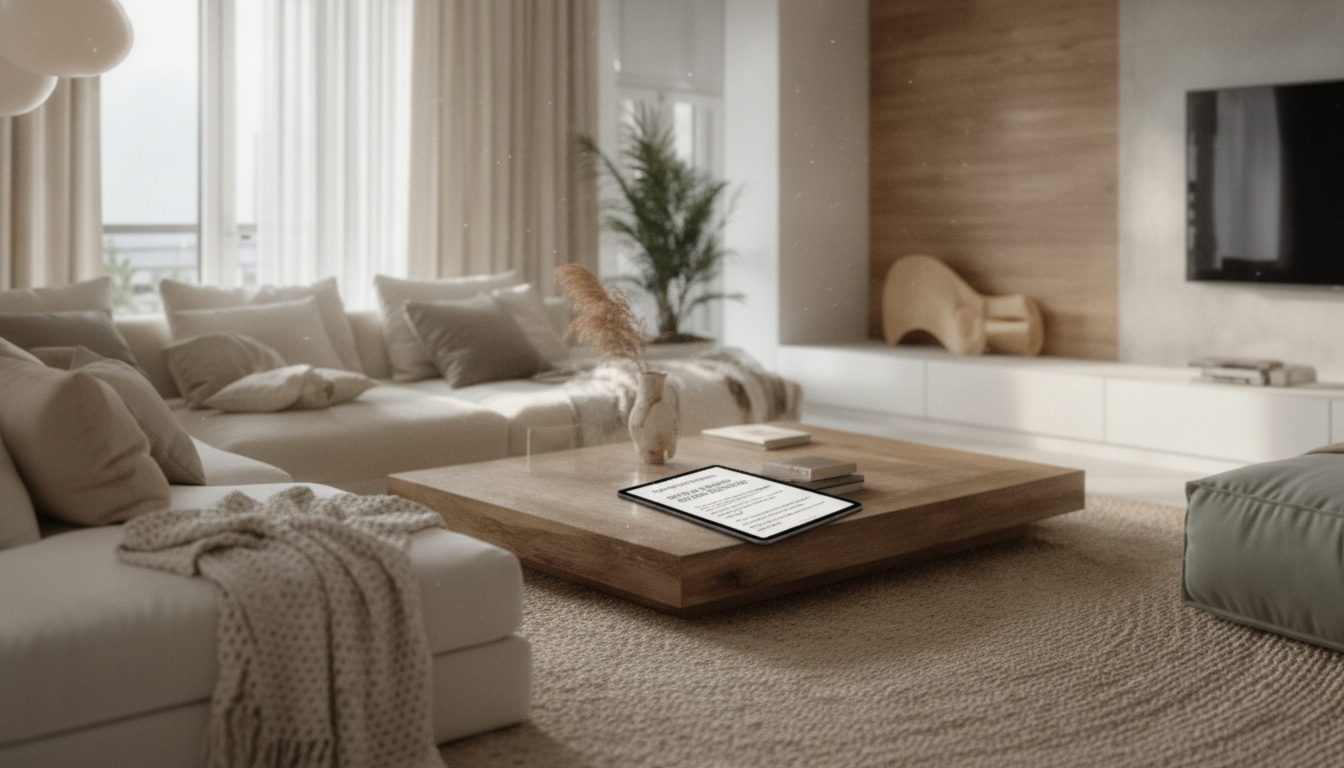
The Art of Effortless Style Blending: A Checklist for Modern, Rustic, and Boho Homes
Blending modern, rustic, and boho can feel natural when a room follows a few steady rules: repeat shapes, limit competing finishes, and build contrast with intention. The goal is a space that reads layered and personal—not busy or accidental. Use the checklist below to make confident choices before you shop, and to “edit” after you style.
Start With a “Base Style” and Two Supporting Notes
The fastest way to avoid a scattered look is to give the room a clear leadership structure—one style sets the tone, and the others play supporting roles.
- Choose one dominant style for the room (about 60% of the visual weight): modern, rustic, or boho.
- Pick two supporting notes (about 30% and 10%) to guide accessory choices and prevent a scattered look.
- Define the room’s purpose first (rest, gather, work); the function helps set how calm or eclectic the blend should feel.
- Use one sentence to describe the target vibe (example: “clean modern lines with warm rustic woods and relaxed boho texture”).
If decision fatigue hits, anchor the base style to your largest piece (sofa, bed, or dining table). When the biggest item is consistent, the mix feels intentional even with smaller eclectic finds.
Lock In a Cohesive Color Plan Before Shopping
A tight palette is the “glue” that lets modern simplicity, rustic warmth, and boho pattern sit in the same room without competing.
- Use a tight palette: 1–2 neutrals, 1 grounded accent, and 1 small “spark” color for personality.
- Keep large surfaces calm (walls, sofa, major rugs) and let boho pattern live in smaller doses (pillows, throws, art).
- Repeat each key color at least three times around the room to make the mix feel intentional.
- If rustic elements feel heavy, brighten with warm whites, oat, sand, or soft greige rather than stark cool white.
Easy palettes for modern + rustic + boho blending
| Room mood | Neutrals | Grounding accent | Small “spark” color | Best materials to emphasize |
|---|---|---|---|---|
| Airy and calm | Warm white, sand | Light oak | Terracotta | Linen, cane, matte black accents |
| Moody and warm | Greige, charcoal | Walnut | Brass | Wool, leather, aged ceramics |
| Sun-washed boho | Ivory, tan | Natural teak | Sage | Jute, rattan, handwoven textiles |
| Modern rustic contrast | Warm white, taupe | Reclaimed wood | Ink blue | Stone, black metal, chunky knits |
For deeper inspiration on how style families relate, Architectural Digest’s style overview is a helpful reference point. For practical decorating fundamentals, The Spruce breaks down the basics clearly.
Mix Materials in a Planned Ratio (Not a Free-for-All)
Material variety is what makes this blend feel rich—too much variety is what makes it feel loud. Set limits before you start adding “just one more” finish.
- Aim for a balanced material mix: 2 wood tones max, 1 metal finish, and 2–3 textiles that repeat across the room.
- Modern reads as smooth and refined (glass, matte metal, polished stone); rustic reads as raw and tactile (reclaimed wood, linen); boho reads as woven and handcrafted (rattan, macramé, kilim).
- If the room feels chaotic, reduce finishes first (for example, unify metals to matte black or aged brass).
- Pair one “rough” texture with one “clean” surface in each zone (example: rustic console + modern lamp).
One easy rule: if a piece has visual “noise” (high-grain wood, heavy distressing, bold weaving), let its neighbor be calm (solid upholstery, simple silhouette, or minimal hardware).
Unify the Room With Repeating Shapes and Lines
When modern, rustic, and boho share repeated shapes, the room reads curated even with mixed eras and textures.
- Pick two shape families to repeat: soft curves (arches, round mirrors) and clean rectangles (frames, shelves) works well for modern-rustic-boho.
- Repeat one signature line style: thin black metal legs, chunky wood silhouettes, or woven curves—then echo it in 3–5 items.
- Use negative space strategically; modern style needs breathing room to keep boho layers from feeling cluttered.
- If statement pieces compete, keep only one hero per wall (one large art piece or one gallery cluster, not both).
If you want a quick gut-check, scroll your phone camera view across the room: repeated outlines (curves, rectangles, leg profiles) will show up immediately, and mismatched “competing” focal points become obvious.
The Room-By-Room Checklist (Living Room, Bedroom, Entry)
Living room
- Anchor with a simple sofa + one textured rug.
- Add rustic warmth through a wood coffee table or console.
- Finish with boho layers (pillows, throw, artisanal ceramics) in smaller, repeated doses.
Bedroom
Entry
Common Style-Blending Mistakes and Quick Fixes
For more visual room ideas and real-home examples, Houzz can help you sanity-check proportions, spacing, and lighting placement.
Printable Checklist for Effortless Style Blending
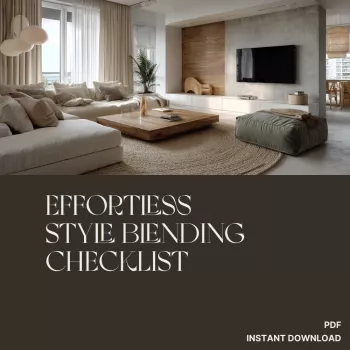
If you want a simple, save-and-reuse version, try The Art of Effortless Style Blending Checklist (digital download). Pair it with practical organizing help—like 2pcs Set Reusable Baby Blanket Storage Bag—to store throws, pillow covers, and seasonal textiles so your boho layers stay curated rather than cluttered.
FAQ
How can modern, rustic, and boho work together without looking messy?
Choose one base style, limit finishes, and repeat colors and shapes throughout the room. Keep large items simple, then bring boho in through smaller textured layers like pillows, throws, and handmade accents.
How many wood tones and metal finishes should be used in one room?
Aim for two wood tones with similar undertones and one primary metal finish. If you want more variety, add it through textiles, ceramics, and woven pieces instead of extra woods and metals.
What’s the easiest way to add boho details to a modern rustic space?
Add one woven element (like rattan or jute), one global-inspired textile, and one handmade ceramic accent, then repeat each at least once elsewhere in the room. That repetition makes the boho note feel integrated rather than random.










Leave a comment