Sleep Success Checklist: Simple Night Routine for Better Sleep
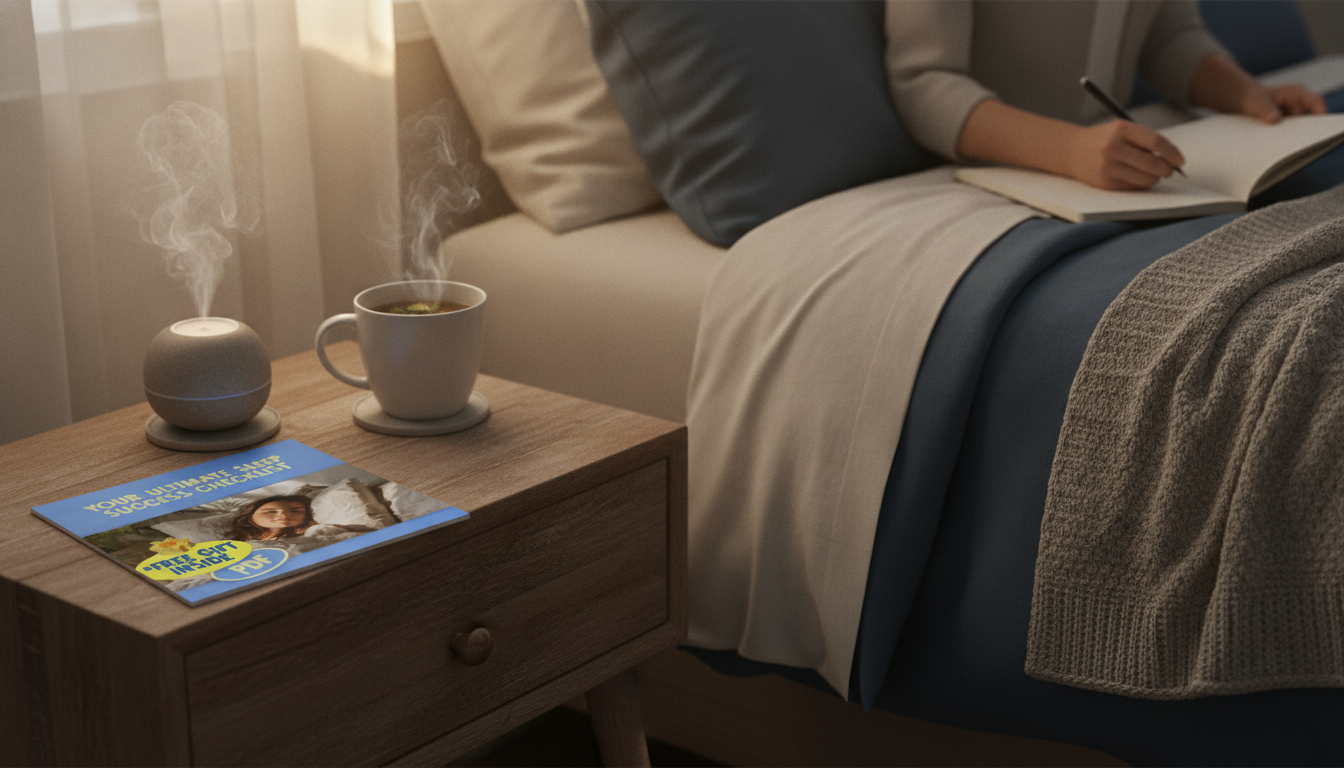
A Simple Night Routine That Supports Better Sleep: The Sleep Success Checklist
Better sleep usually comes from repeatable basics done consistently: a predictable wind-down, a sleep-friendly environment, and daytime habits that reduce nighttime friction. A printable, step-by-step checklist makes those basics easier to follow—especially on busy days—by turning “sleep hygiene” into a clear routine you can tick off in minutes.
Why a checklist works when motivation doesn’t
At night, willpower is usually at its lowest and decision fatigue is at its highest. A checklist helps by making your evening routine feel automatic instead of negotiable.
- Removes decision fatigue by providing a fixed sequence of small actions.
- Builds consistency: repeating the same cues helps your brain connect the routine with sleep.
- Makes progress visible (what happened on good nights vs. rough ones).
- Supports gradual change: tweak one step at a time instead of starting over.
What’s included in the Sleep Success Checklist digital download
The goal is to move you smoothly from “still switched on” to “ready for bed,” without turning bedtime into a complicated self-improvement project.
- A structured wind-down flow that moves from “wrap the day” to “lights out.”
- Healthy sleep tips focused on practical, low-effort adjustments.
- Space to personalize triggers (caffeine cut-off, screen boundaries, relaxation options).
- A simple way to track patterns over time (what improves sleep quality and what disrupts it).
If you want a ready-to-use version, Your Ultimate Sleep Success Checklist digital download is designed to print or use digitally so your routine is always easy to follow.
How to use the checklist for a repeatable night routine
Consistency beats intensity. Start with a routine you can repeat most nights—even on evenings when you’re tired, busy, or dealing with interruptions.
- Choose a target bedtime and count backward 60–90 minutes to start your wind-down.
- Keep the checklist somewhere visible (nightstand, bathroom mirror, fridge, or a notes app).
- Start with a “minimum viable routine” (3–5 steps) for one week, then expand if helpful.
- Pair each step with a stable cue (after brushing teeth, after setting an alarm, after dimming lights).
- If a step repeatedly fails, shrink it (2 minutes of stretching beats skipping a 20-minute workout).
Wind-Down Timeline
| Time before bed | Checklist focus | Examples of quick wins |
|---|---|---|
| 90–60 minutes | Close the day | Light tidy, prep tomorrow’s essentials, write a short to-do list |
| 60–30 minutes | Downshift the body | Warm shower, gentle stretching, reduce bright light, calming music |
| 30–10 minutes | Quiet the mind | Breathing exercise, journaling, reading a few pages (paper book preferred) |
| 10–0 minutes | Protect sleep window | Phone out of reach, room cool/dark, consistent lights-out time |
Healthy sleep tips to pair with the checklist (without overhauling life)
The best “sleep hacks” are often environment tweaks and small boundaries that reduce friction. If you want a deeper overview of sleep basics, the National Heart, Lung, and Blood Institute and the CDC both outline practical, science-aligned guidance.
- Light: Dim the environment in the hour before bed; keep mornings bright to reinforce your body clock.
- Caffeine: Set a personal cut-off time that protects bedtime (earlier is often better for sensitive sleepers).
- Alcohol and heavy meals: Minimize close to bedtime if they fragment sleep or trigger reflux.
- Temperature: Keep the bedroom comfortably cool; adjust bedding rather than forcing through discomfort.
- Sound: Use consistent background noise if sudden sounds wake you; reduce unpredictable disruptions.
- Movement: A short walk or light exercise during the day can improve sleep drive at night.
Organization can also reduce bedtime friction. If cluttered surfaces or “where did I put that?” moments derail your wind-down, a simple storage option like the 2pcs Set Reusable Baby Blanket Storage Bag can help keep sleep-related items (extra pillowcase, eye mask, book, lotion) in one consistent spot.
Personalize the routine for common schedules
Troubleshooting: when sleep still feels hard
- If falling asleep takes a long time: Reduce stimulating content at night and consider a stricter screen boundary.
- If waking at 3 a.m.: Check alcohol timing, bedroom temperature, late heavy meals, and stress carryover (try a short “worry list” earlier in the evening).
- If the mind races in bed: Move planning earlier; keep a notebook nearby for quick brain-dumps.
- If weekends undo progress: Keep wake time within a narrower range and maintain the first 2–3 routine steps every night.
- If snoring, gasping, or daytime sleepiness is frequent: Consider discussing possible sleep-disordered breathing with a clinician. (The American Academy of Sleep Medicine’s Sleep Education site is a helpful starting point.)
Download, print, and make it easy to follow
Get the Sleep Success Checklist
A routine is only useful if it’s repeatable. The Your Ultimate Sleep Success Checklist – Digital Download for How to Get Better Quality Sleep, Night Routine Guide & Healthy Sleep Tips turns proven, sleep-supportive habits into a simple nightly sequence you can stick with. It’s especially useful for building consistency, reducing bedtime friction, and tracking what improves sleep quality over time.
FAQ
How long does it take to notice better sleep with a night routine?
Some people notice small improvements in a few nights, but clearer results usually show up after consistent practice for about 2–4 weeks. Start with a short routine you can repeat, then add steps once the basics feel automatic.
What if there isn’t time for a full wind-down routine every night?
Use a “minimum viable routine” of 3–5 steps (for example: dim lights, hygiene, phone out of reach, and 60 seconds of breathing). Keeping wake time steady and returning to the full checklist when life calms down helps maintain momentum.
Should screens be avoided completely before bed?
Not always, but reducing bright light and stimulating content helps many sleepers. Practical compromises include an earlier cut-off time, dimming the screen, using night mode, and keeping the phone out of reach at lights-out.
















Leave a comment