1500W Oscillating Space Heater With Remote & Thermostat
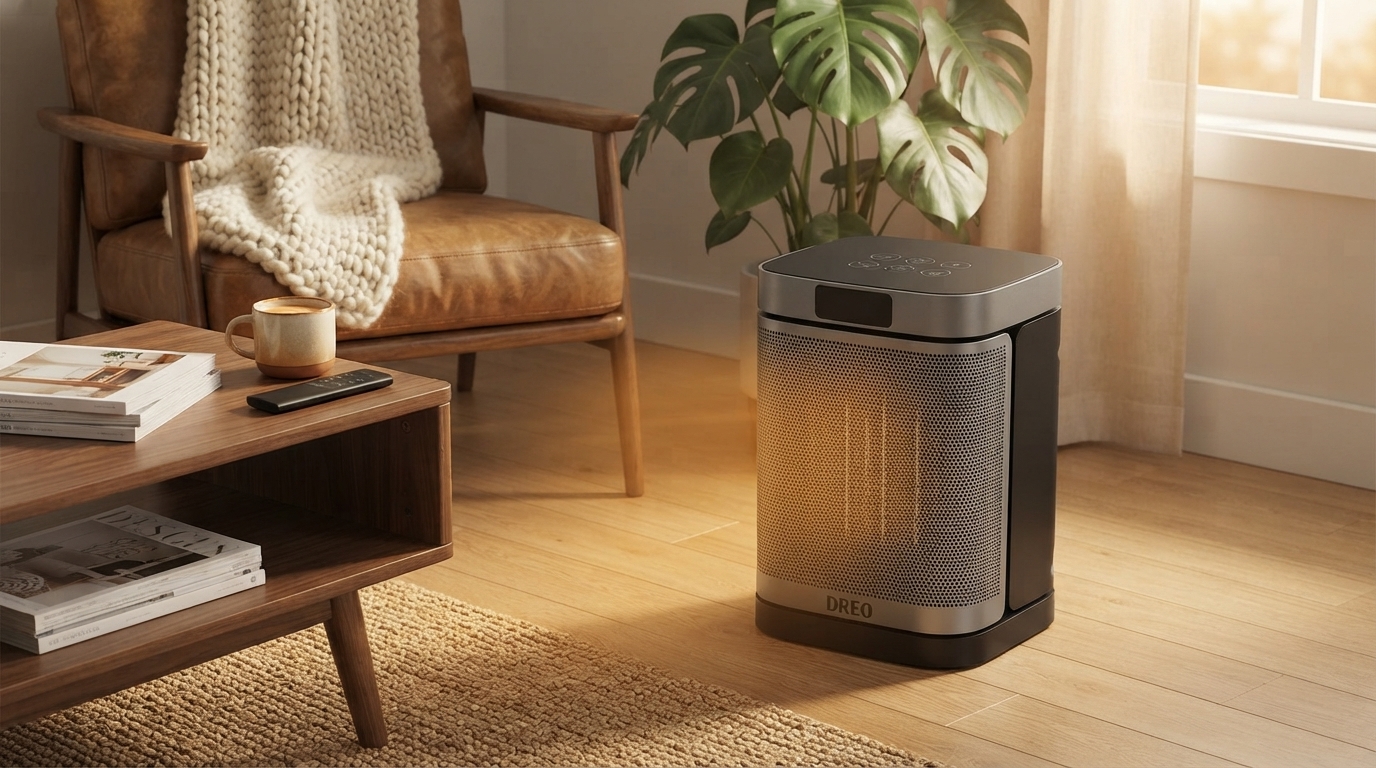
1500W Oscillating Space Heater: Portable Indoor Warmth with Remote & Thermostat
A compact 1500W indoor heater can make a bedroom, office, or living room feel comfortable fast—without turning up the central heat. An oscillating portable heater with a remote control and thermostat is built for everyday convenience: quick warmth when you need it, steadier temperatures once the room is comfortable, and easier adjustments from the couch, desk, or bed.
Quick Overview: What This Heater Is Designed to Do
- Provide targeted indoor heating for small-to-medium spaces using a 1500W heating output
- Spread warmth more evenly with oscillation rather than concentrating heat in one direction
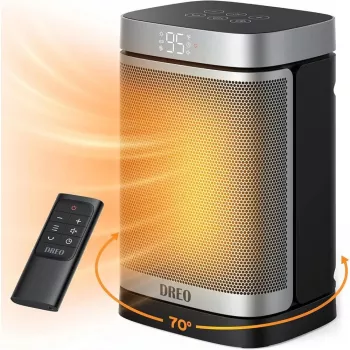
- Let settings be adjusted from across the room using a remote control
- Maintain a steadier comfort level with a built-in thermostat that cycles heat as needed
- Work as a portable option that can move from room to room depending on daily routines
Key Features That Matter Day to Day
1500W heating for quick comfort
A 1500W space heater is a common “sweet spot” for indoor supplemental heat. It’s strong enough to noticeably lift the temperature in a frequently used room, especially when doors are closed and drafts are managed, yet still compact enough to place where you actually feel the warmth (near a desk, sofa, or bedside area).
Oscillation for fewer hot/cold spots
Oscillation helps distribute airflow across a wider slice of the room. Instead of one “hot lane” of air, the heat sweeps across more seating positions—useful when two people share a space or when the heater has to sit slightly off-center.
Remote control convenience
Remote controls shine in real-life routines: turning the heat down once you’re cozy under a blanket, adjusting settings while you’re on a work call, or powering off without walking across a cold floor. For nighttime, it can also mean fewer sleep disruptions.
Thermostat control for steadier temperatures
A built-in thermostat helps the heater cycle on and off around a set temperature range. That reduces the “too hot / too cool” swing that often happens when a heater is manually toggled, and it can also lower average energy use compared to running full blast continuously.
Specs at a Glance
Use this snapshot to compare essentials before placing the heater in a specific room. Confirm outlet availability, placement space, and clearance around the heater for safe airflow.
| Attribute | Details |
|---|---|
| Rated power | 1500W |
| Type | Portable indoor oscillating space heater |
| Controls | Remote control + onboard controls |
| Temperature management | Thermostat-based regulation |
| Availability | In stock |
| Price | $57.82 |
Where It Fits Best at Home
Bedroom
For bedrooms, a practical routine is to pre-warm the room, then let the thermostat maintain comfort so the space doesn’t overheat. Aim the airflow so it warms the occupied zone rather than blasting directly at your face.
Home office
Desk setups often sit in a corner or along a wall, which can create chilly pockets. Position the heater so the airflow reaches your legs/feet area, and use oscillation if the workspace is slightly off-center or if the room shape causes uneven warmth.
Living room
In a living room, place the heater near (not against) the seating area with clear space around it. Oscillation helps share warmth across a small sitting zone—especially when people are spread across a sofa and chair rather than clustered in one spot.
Nursery or kids’ room
Safe placement is the priority: keep cords out of reach, maintain clearances, and avoid positioning where airflow blows directly onto a crib. If a room needs consistent warmth for comfort, the thermostat feature helps avoid running hotter than necessary.
Bathrooms
Many portable heaters are not designed for damp locations. Avoid using a typical indoor heater in a bathroom unless the model is explicitly rated for bathroom use and the manufacturer’s instructions confirm it’s appropriate.
Comfort and Efficiency Tips
- Start high, then settle: Run higher output briefly to warm the air, then lower the setting once comfortable.
- Let the thermostat do the work: Set a comfortable target and allow the heater to cycle rather than constantly switching it on and off.
- Reduce drafts: Close doors, use draft stoppers, and cover leaky windows to keep warmth from escaping.
- Position for circulation: Give the heater open space so it can push warm air into the room without obstructions.
- Gently mix the air: If you have a ceiling fan, run it on low (reverse direction if available) to help bring warm air down.
For a simple way to estimate operating cost, the U.S. Department of Energy explains how to calculate appliance energy use based on wattage and time (DOE guide).
Safety and Placement Checklist
For additional guidance, review recommendations from the U.S. Consumer Product Safety Commission and the National Fire Protection Association.
Everyday Controls: Remote + Thermostat in Real Use
Care, Cleaning, and Seasonal Storage
Product Options Available Now
- 1500W Oscillating Space Heater – Portable Indoor Heater with Remote & Thermostat (In stock, $57.82)
- 2pcs Set Reusable Baby Blanket Storage Bag (In stock, $2.82) — a handy option for keeping small accessories organized during seasonal storage
FAQ
Is a 1500W space heater expensive to run?
It depends on your electricity rate and how long it runs. At full power, 1500W equals 1.5 kWh per hour, so cost per hour is 1.5 × your $/kWh rate; thermostat cycling often lowers the average by reducing continuous full-power runtime.
Where should a portable heater be placed for best results?
Place it on a flat, stable surface with clear space around it so airflow isn’t blocked. Keep it away from curtains and bedding, aim it toward the occupied area, and use oscillation when you want broader coverage across seating positions.
Can this heater be left on overnight?
Follow the manufacturer’s safety guidance first. If used overnight, prioritize safe clearances, stable placement, plugging directly into a wall outlet, and using thermostat settings rather than running maximum heat continuously.














Leave a comment