Ceramic Pour-Over Gift Set: Dripper + Sharing Pot
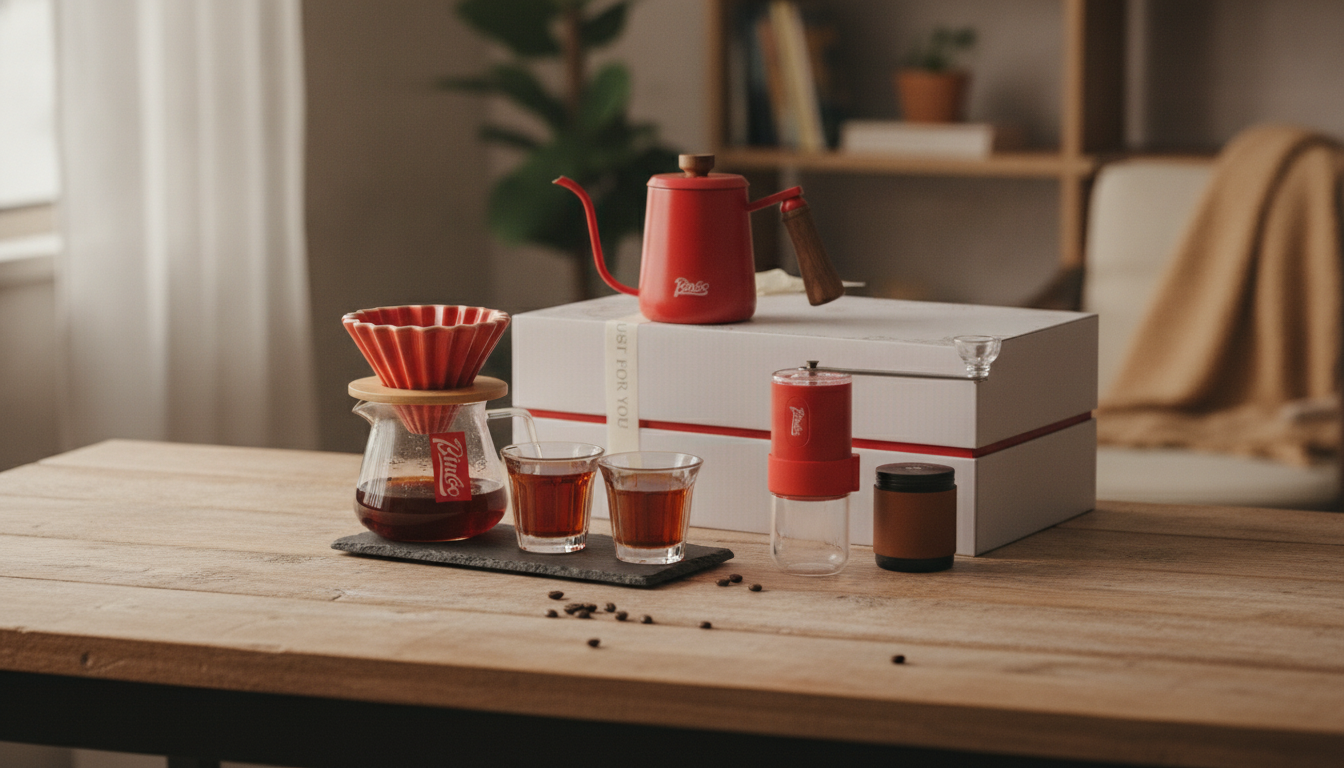
Hand Brew Coffee Gift Set: A Ceramic Dripper + Sharing Pot Upgrade for Everyday Pour-Over
A ceramic dripper and sharing pot set brings café-style pour-over into everyday routines with a setup that looks good on the counter and supports consistent brews. The ritual is simple—heat, grind, pour—yet the results can be remarkably nuanced once a few variables are under control. If you’re shopping for a practical gift or refining your own home station, a hand-brew set is a satisfying step up from “good enough” coffee.
For a coordinated setup, see the Hand Brew Coffee Gift Set – Ceramic Dripper & Sharing Pot for Home Baristas, designed to brew a clean, aromatic cup and serve it neatly in one go.
What’s included and who it’s for
This style of set is made for people who enjoy hands-on brewing and want more control over aroma, clarity, and strength than a drip machine typically provides. The ceramic dripper supports steady extraction when it’s properly preheated, and the sharing pot makes it easy to brew once and pour multiple servings—especially helpful for slow mornings, guests, or a two-cup routine.
- Designed for home baristas who like to tweak flavor with grind, ratio, and pouring style.
- Ceramic dripper helps buffer temperature swings for more even extraction.
- Sharing pot simplifies serving—brew into one vessel, then pour consistent cups.
- Compatible with common paper filters and works well with gooseneck kettles and standard coffee scales.
Why ceramic matters for pour-over
Ceramic isn’t just about looks—though it does elevate the countertop. It’s also a practical material for pour-over because it can maintain heat better than many thin alternatives, helping the slurry temperature stay steadier as you pour. That stability can translate into a sweeter, more complete extraction, especially with lighter roasts.
- Temperature stability: ceramic holds heat well, reducing abrupt cooling during the brew.
- Flavor neutrality: glazed ceramic is generally non-reactive and won’t add odors or flavors when cleaned well.
- Presentation: it looks intentional—great for open-shelf storage, serving on a tray, or gifting.
- Practical note: ceramic benefits from preheating so it doesn’t “steal” heat from the brew water.
Set up for consistent results (grind, water, ratio)
Great pour-over doesn’t require complicated gear. It does require repeatability: weigh your coffee and water, keep your grind in a narrow range, and stick to a target brew time. Once those basics are locked in, small changes become predictable.
Grind
Start with a medium grind (similar to table salt). If your brew tastes sharp or hollow, go slightly finer. If it tastes harsh, dry, or takes too long, go slightly coarser.
Water
Use clean, fresh water. Very hard water can mute acidity and aromatics; very soft water can taste flat. If your tap water is heavily chlorinated or inconsistent, filtered water often makes the cup noticeably cleaner. For deeper guidance on brewing fundamentals, resources from the Specialty Coffee Association (SCA) can help you build a reliable baseline.
Ratio and temperature
A dependable starting point is 1:15 to 1:17 coffee-to-water by weight (for example, 20 g coffee to 300–340 g water). Many light-to-medium roasts do well around 200–205°F (93–96°C). Darker roasts can taste smoother a few degrees cooler.
Preheat (don’t skip this)
Rinse the filter and warm both the dripper and sharing pot. This reduces heat loss and removes any paper taste, making your first cup of the day more consistent.
| Brew size | Coffee | Water | Grind | Target time |
|---|---|---|---|---|
| 1 cup | 15 g | 240 g | Medium | 2:30–3:15 |
| 2 cups (sharing pot) | 20 g | 320 g | Medium | 2:45–3:30 |
| Stronger | 22 g | 320 g | Medium-fine | 3:00–3:45 |
A simple pour-over method that works
This method is designed to be repeatable with minimal fuss. Use a timer if you have one, but don’t get stuck chasing exact seconds—focus on keeping the same process each time.
How to adjust flavor without guesswork
If you enjoy digging deeper into extraction, Barista Hustle offers clear explanations of how grind, time, and agitation shape taste.
Care, cleaning, and everyday durability
Gifting notes: making it feel special
More gift ideas (in stock)
If you’re rounding out a gift order, these in-stock picks are popular add-ons for different occasions: Calvin Klein Men’s Leather Wallet and Cordless Electric Nail Drill 30,000 RPM with Variable Speed for Manicure Pedicure.
FAQ
Do ceramic drippers make coffee taste different?
Glazed ceramic is generally flavor-neutral, so most taste differences come from temperature stability and a more consistent extraction. Preheating the dripper helps prevent heat loss that can make coffee taste sharper or underdeveloped.
What grind size should be used for a pour-over dripper like this?
Start with a medium grind and adjust based on taste and brew time. If the cup is sour or thin, go slightly finer; if it’s bitter or harsh, go slightly coarser.
How many cups can a sharing pot brew at once?
A sharing pot is typically ideal for one to a couple servings brewed in a single batch. Use a coffee-to-water ratio like 1:15 to 1:17 and scale up or down by weight to match the number of cups you want to serve.












Leave a comment