Non-Scratch Scrub Sponges: Clean Dishes Without Scuffs
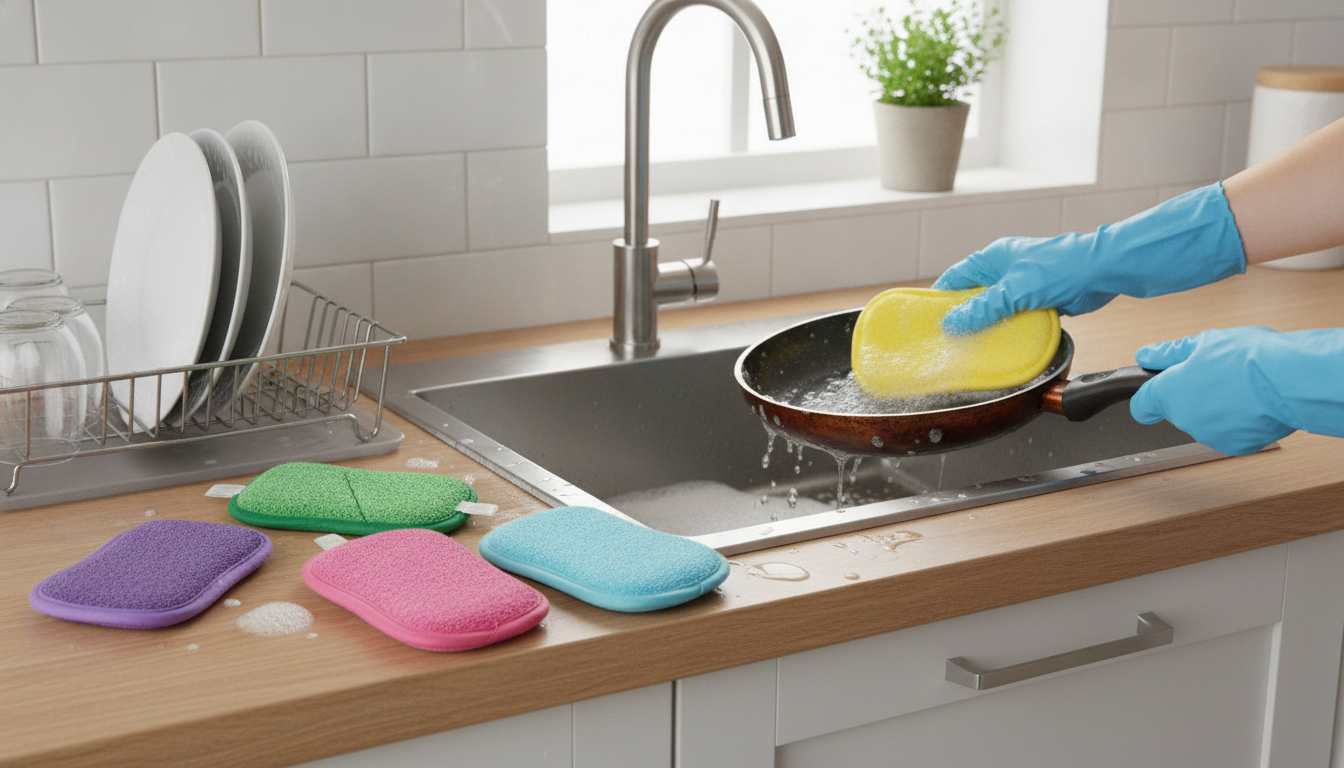
Keeping Kitchen Surfaces Clean Without the “Oops” Marks
Keeping cookware and kitchen surfaces clean often means balancing scrubbing power with surface safety. Non-scratch scrub sponges are designed to lift stuck-on residue while helping reduce the risk of dulling finishes or leaving visible marks on common kitchen materials. For everyday dishwashing—especially in kitchens with nonstick pans, stainless sinks, and glass bakeware—a gentler scrubber can make cleanup feel more predictable and less stressful.
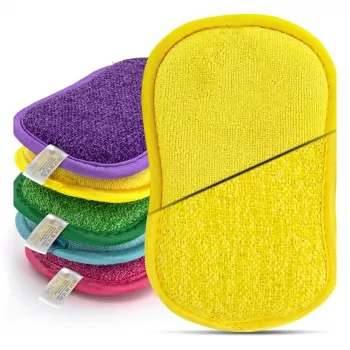
If you’re stocking up for daily cleaning, a dedicated option like Non-Scratch Scrub Sponges for Dishes & Kitchen Cleaning is a practical staple to keep near the sink. For organizing backups (or separating “dish” sponges from “messy job” sponges), a simple storage solution such as 2pcs Set Reusable Baby Blanket Storage Bag can help keep clean supplies dry and easy to grab.
What “Non-Scratch” Means in Everyday Cleaning
A non-scratch sponge typically uses a gentler scrubbing layer intended for coated, polished, or delicate surfaces. It’s made to provide friction for lifting food and grease without the harsh bite of a heavy scouring pad.
- Surface safety depends on technique. Pressure, angle, and how long you scrub all matter.
- Debris changes everything. A grain of sand or a shard of hardened food trapped in the pad can scratch even when the scrub layer is “gentle.”
- Think “lower risk,” not “scratch-proof.” No sponge can guarantee zero marks on every finish, especially on high-gloss or soft coatings.
- Test first on new items. For a new pan, glossy appliance panel, or specialty countertop, try a small, inconspicuous spot before doing the whole surface.
Where These Sponges Work Best
Non-scratch scrub sponges shine when you want steady cleaning power without turning routine dishwashing into a “will this leave marks?” situation.
- Nonstick cookware: Helps remove cooked-on residue without the aggressive abrasion that can shorten coating life. Use plenty of soap and light pressure.
- Stainless steel sinks and appliances: Useful for daily grime and water spots while minimizing swirl marks when used gently. Follow the grain on brushed finishes when possible.
- Glass and ceramic: Great for casserole dishes and many stovetop messes. Avoid gritty powders that can make even a gentle sponge behave like sandpaper.
- Countertops and backsplash: Helpful for sauces, oil splatter, and routine wipe-downs when paired with a suitable cleaner for the countertop material.
How to Use Non-Scratch Sponges for Better Results
A good sponge does more when the process is set up to reduce friction and pressure. The goal is to let water, time, and soap do most of the work.
- Start with soaking: Loosen residue with warm water before scrubbing to reduce the force needed. Even a 5–10 minute soak can make a noticeable difference.
- Use the right side for the job: Wipe with the soft side for routine cleaning; use the scrub side for stuck-on spots and only as long as needed.
- Let chemistry do the work: Dish soap breaks down grease. For stubborn cooked-on food, a brief soak often beats harder scrubbing (and is kinder to finishes).
- Rinse frequently while scrubbing: Wash away loosened grit so it doesn’t get trapped and dragged across the surface.
- For burnt-on pans: Try warm water + soap, then gentle passes. If it’s still stuck, re-soak rather than pressing down harder.
For food-contact surfaces, it also helps to follow established hygiene guidance around cleaning and sanitizing practices. Helpful references include the CDC food safety basics and the USDA kitchen hygiene recommendations.
Quick Comparison: Non-Scratch vs. Other Common Scrubbers
Choosing the right tool can prevent unnecessary wear. Keep a few options available so you’re not tempted to use an aggressive scrubber on a delicate finish.
| Tool type | Typical best uses | Watch-outs |
|---|---|---|
| Non-scratch scrub sponge | Nonstick pans, everyday dishwashing, stainless sinks | Trapped grit can still scratch; replace when worn |
| Abrasive scouring pad | Cast iron (uncoated), grills, heavy soil on durable surfaces | Can scratch stainless, glass, coatings, and glossy finishes |
| Steel wool | Very stubborn buildup on rugged materials | High scratch risk; can leave metal fragments and rust spots |
| Dish brush | Rinsing plates, bottles, crevices, quick cleanups | May need soaking for baked-on mess; bristles can trap food debris |
Care, Hygiene, and When to Replace
Even a great sponge becomes less effective when it stays damp, holds food particles, or starts shedding. A few habits help keep performance and cleanliness consistent.
For deeper details on cleaning and sanitizing concepts used in food settings, the FDA Food Code is a useful reference point.
A Practical Option for Everyday Kitchen Cleanup
When you’re ready to refresh your sink setup, Non-Scratch Scrub Sponges for Dishes & Kitchen Cleaning can cover most day-to-day tasks. And if you like keeping clean replacements separate from “in-use” tools, a simple organizer such as 2pcs Set Reusable Baby Blanket Storage Bag can help keep extras contained and easy to rotate in.
FAQ
Can non-scratch scrub sponges be used on nonstick pans?
Generally yes for routine cleaning, especially when used with light pressure and dish soap. Avoid gritty cleansers and rinse the sponge often so trapped particles don’t rub against the coating.
How often should dish sponges be replaced?
Replace when they smell, fray, stay slimy, or no longer rinse clean. Many kitchens benefit from frequent replacement, especially with heavy daily use.
What’s the best way to reduce sponge odor?
Rinse well, wring out, and let it dry fully between uses. Follow safe sanitizing guidance for the sponge’s materials and keep separate sponges for different tasks to reduce contamination and lingering smells.













Leave a comment